
Categories
Real Estate Investing, St. George Real Estate, Southern Utah Real Estate, Financial Planning, Real Estate Advice, Investment Properties, Real Estate PodcastPublished March 10, 2026
I Paid $4,593 to Sell My Car—and I’m Glad I Did

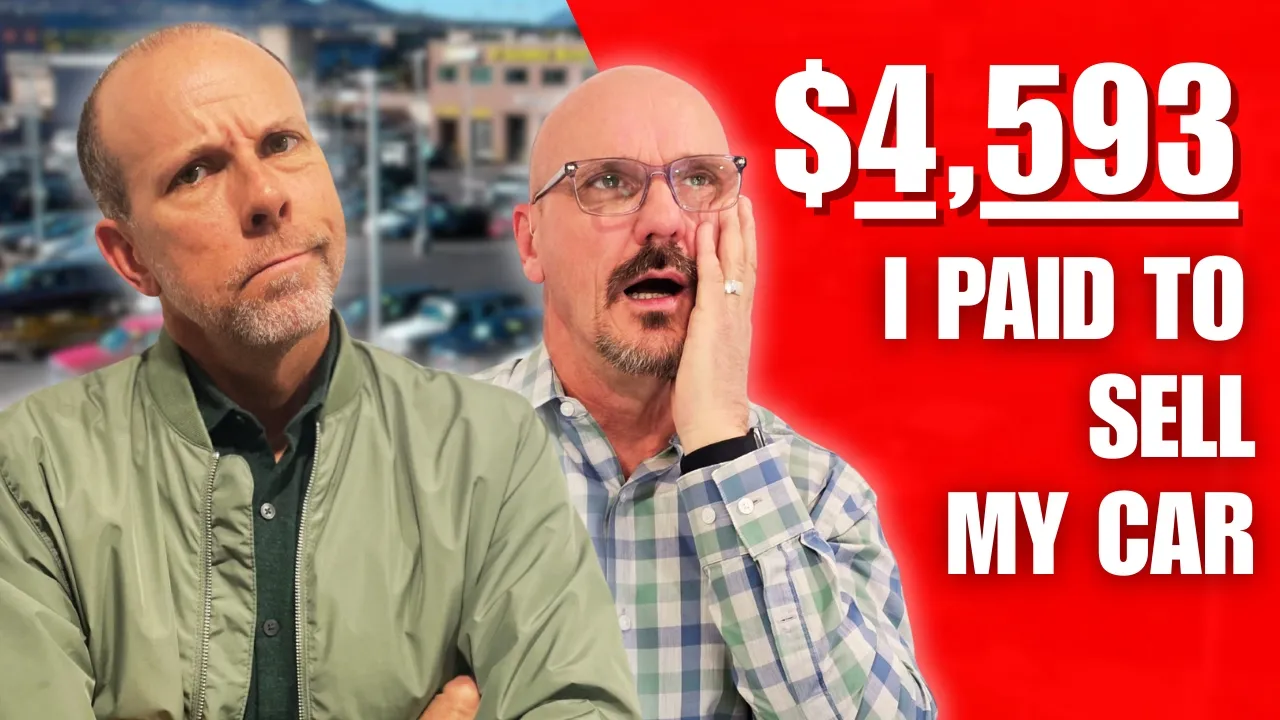
Paying $4,593 to sell a car sounds ridiculous.
Until you realize keeping it would have cost even more.
That’s the idea behind this episode—and it applies to far more than vehicles.
Whether it’s a struggling Airbnb, an investment property, a condo, or even a primary residence that no longer fits your goals, there comes a point when paying to exit may be smarter than paying to wait.
The Reality Check Most Owners Avoid
Many people anchor to what they paid.
Or worse, what an asset was worth at its peak.
But markets don't care what you paid.
Value is determined by what a buyer is willing to pay today.
That's true for:
- Cars
- Homes
- Investment properties
- Short-term rentals
- Vacation homes
Holding onto an asset doesn't stop the cost.
Sometimes it simply changes how the cost shows up.
The Cost of Waiting
If an Airbnb or investment property is losing money every month, you're already paying.
The costs often include:
- Mortgage interest
- Property taxes
- HOA fees
- Insurance
- Repairs and maintenance
- Vacancy periods
- Emotional stress
The question isn't whether you're paying.
The question is whether you're paying for a future opportunity—or just delaying a difficult decision.
Decision Fatigue Is a Real Cost
One of the most overlooked financial drains is decision fatigue.
Properties that constantly require attention, repairs, management, and problem-solving consume more than money.
They consume mental bandwidth.
In many cases, freeing up capital and reducing stress creates a larger long-term benefit than squeezing every possible dollar out of a struggling investment.
Why Long-Term Thinking Matters
This conversation also explores one of the most important principles in real estate:
Time in the market typically beats timing the market.
Looking at long-term trends in St. George, owners who hold quality real estate for 10 years or longer often experience very different outcomes than those trying to predict every market swing.
That doesn't mean every property should be held forever.
It means decisions should be based on long-term strategy rather than short-term emotion.
College Housing: Buy or Rent?
We also discuss a common question many families face:
Should you buy housing for a college student or simply rent?
The answer depends on:
- Expected hold period
- Local appreciation trends
- Maintenance responsibilities
- Future resale opportunities
- Overall financial goals
Like most real estate decisions, context matters more than headlines.
Old Properties vs. New Construction
Another topic we explore is the growing appeal of new construction.
Today's builders are often offering:
- Rate buydowns
- Closing cost incentives
- Warranty coverage
- Energy efficiency improvements
In some cases, these incentives can make a new home surprisingly competitive with older resale inventory.
Trading Draining Assets for Better Opportunities
Not every asset deserves to be kept forever.
Sometimes the best move is to sell something that drains cash, energy, and attention—and reallocate those resources to something stronger.
The goal isn't avoiding losses.
The goal is maximizing long-term outcomes.
And sometimes that starts by letting go.
The Bottom Line
The most expensive decision isn't always selling too early.
Sometimes it's refusing to decide at all.
If an investment is creating stress, consuming cash flow, and no longer aligns with your goals, it may be worth asking a simple question:
What is it costing you to keep waiting?
Episode Timestamps
- 00:00:00 — The $5K Check to Sell a Car
- 00:06:20 — Airbnb Owners and Cash Flow Pain
- 00:11:04 — Decision Fatigue and Cutting Losses
- 00:16:45 — College Housing and Hold Periods
- 00:22:08 — Trading Old for New and Builder Incentives
- 00:23:28 — Final Takeaways and How to Reach Us
Have questions about buying, selling, investing, or living in Southern Utah? Reach out anytime.
P: 435-291-5443
E: sales@gostgeorge.com
Helpful Links
|


or another way